People want your activation. They just don't want the wait.
The wait leaves the booth floor and moves to the phone. The guest scans a QR code, goes back to exploring the event and gets an alert when their turn is coming up.
Movement in front of the booth is a sign there is something good in there. What changes over time is what the wait communicates afterward. People standing still do not circulate, do not see the rest of the activation and, at some point, leave before taking part.
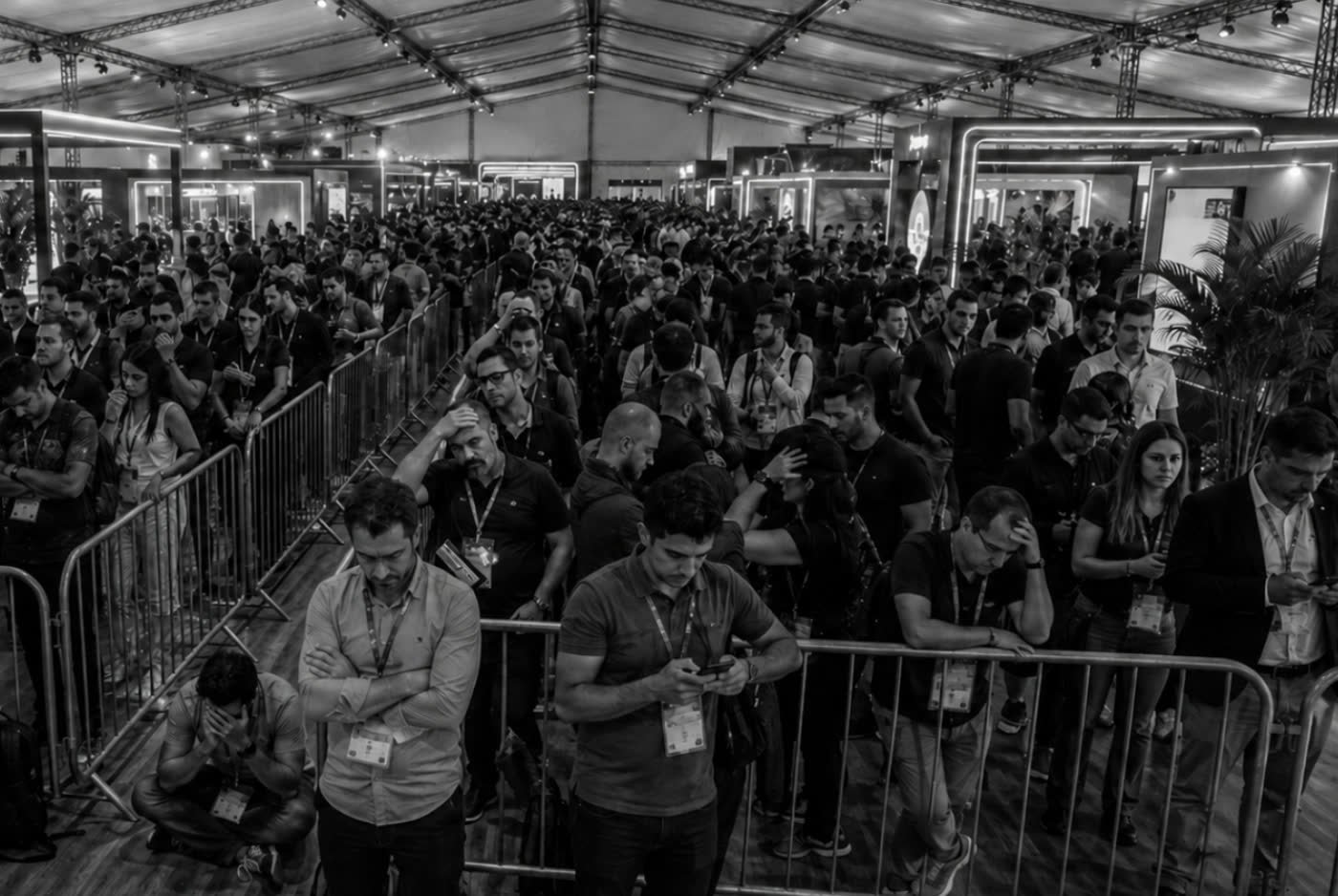
A study published in 2024 tested waits of 0, 15, 30 and 45 minutes. The queue did raise the perception of popularity among people who did not know the place, and that gain shrank as the wait grew. The study is about restaurants, so what we take from it is the direction, not the number.
Two classic ideas about the psychology of waiting: time standing still before service begins feels longer than time during service, and a bad first impression is hard to recover. At a booth, time standing still at the entrance is the most expensive there is.
Sources: Noone, B. M. and Lin, M. S. (2024), International Journal of Hospitality Management. Maister, D. H. (1985), The Psychology of Waiting Lines.
The person who gives up at the entrance did not reject the brand's activation. They rejected standing still. And they take everything that would come next with them.
The person sizes up the wait, does the math and walks on.
Whoever is standing still does not move through the booth or generate content.
Past a certain point, time standing still competes with the experience.
With no predictability, the team becomes a complaint manager instead of a host.
Whoever leaves before taking part becomes neither a contact nor a line in the report.
Nothing to install, nothing to explain. If you can open your phone camera, you can use it.
A QR code on display at the experience point. It opens straight in the browser, no app. Name, phone, alert channel and consent. Takes seconds.
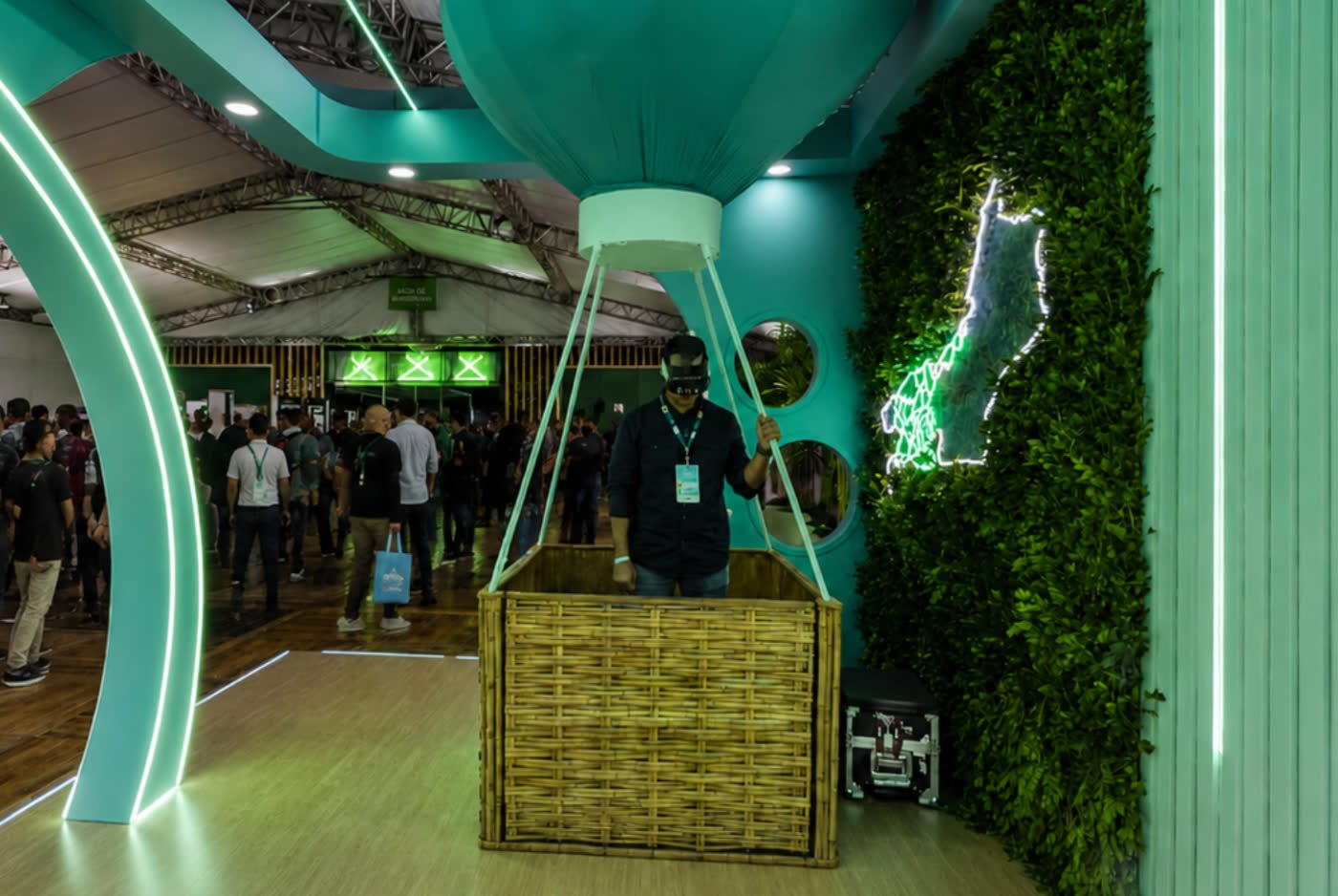
The guest steps away from the front of the booth and stays in the event. Their screen shows position and estimated time, recalculated at every call by the real pace of service.
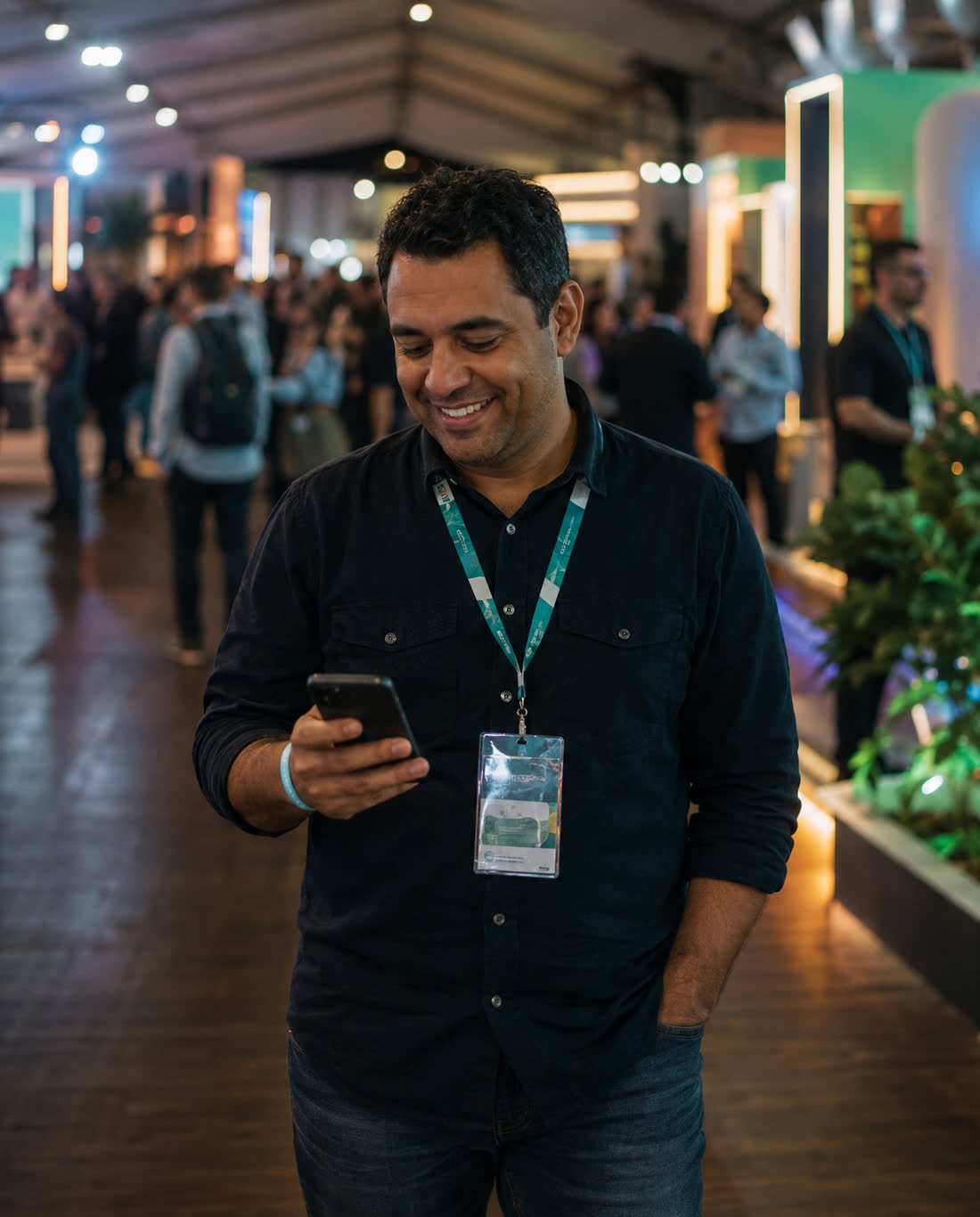
When two people are left, the alert lands on WhatsApp. Once called, the guest has a short window to confirm. If they do not confirm, the slot moves on and the operation never stalls.
You are 2 people away from your turn. Start heading back to the experience.
It is your turn. Confirm within 3 minutes.
The guest sees simplicity. The booth team sees control. Whoever pays for the activation sees numbers.
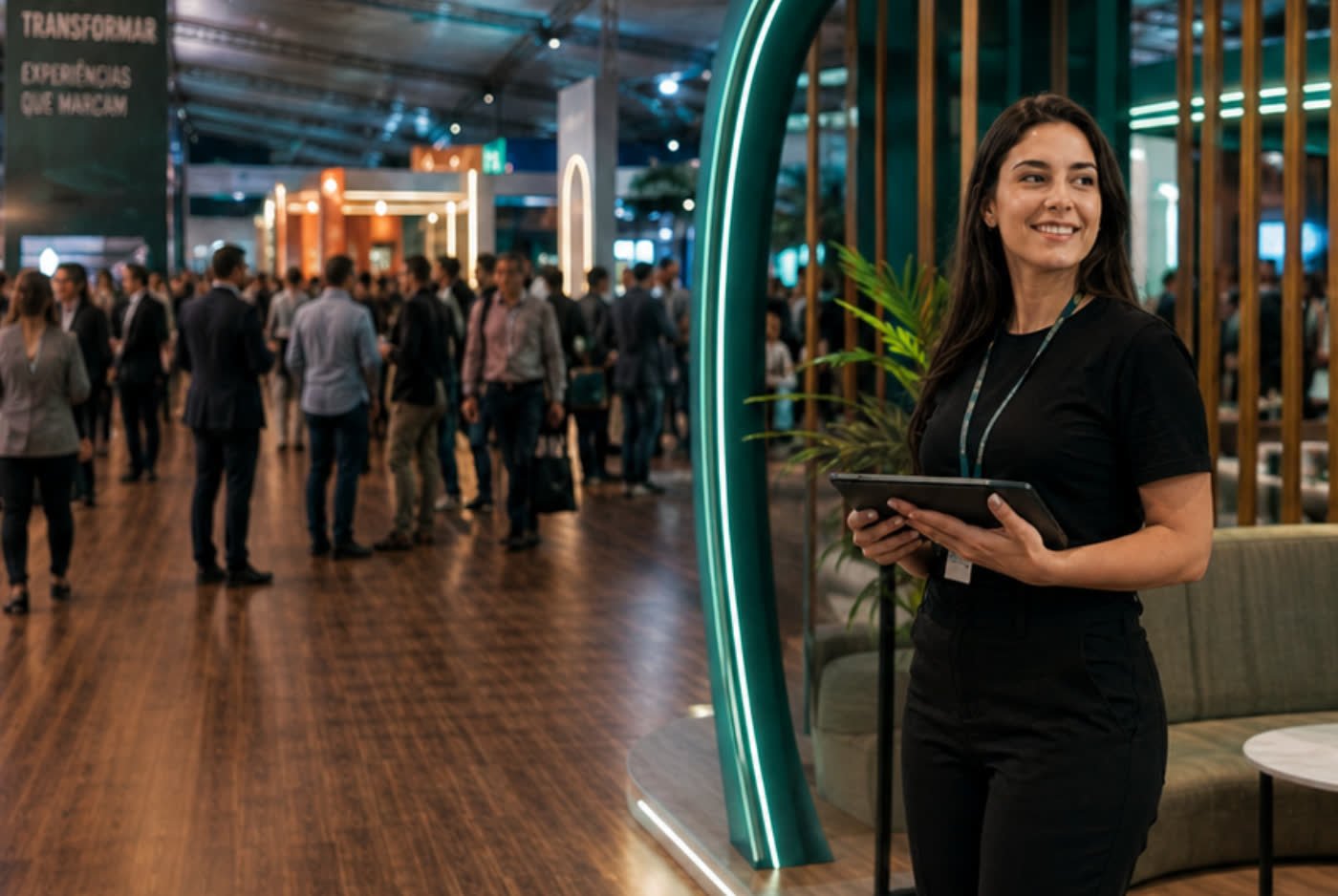
Where they are, how much is left and when to come back. With the option to leave the queue at any moment, no awkwardness.
Call, mark as served or log a no show. Priority and VIP queue already applied to the ordering.
People in the queue, guests served, average time and satisfaction, activation by activation, with the contact base consolidated.
Proprietary technology, designed by the people who build activations at large public events. Entry, alerts, operations and reporting under the same engineering.
It exists to give back wasted time. Where there is no real wait, it becomes just one more step. We say that in the meeting, not after the contract.
The booth stays busy, only now the audience is moving through the brand instead of standing at a barrier. And the team goes back to welcoming people instead of managing complaints.
Whoever would arrive and leave at the entrance now joins the queue and comes back later.
Waiting time becomes event time, not time standing still with your back to the brand.
Every entry in the queue records an authorized contact, ready for the post event.
Audience perception read alongside waiting time, activation by activation.
Pace, guests served and no shows tracked live, with no need to rely on anyone's memory.
Closing numbers by activation and by event, with the figure the brand will present afterward.
T3i designs the virtual queue together with the activation, sizing capacity and pace before the event begins.